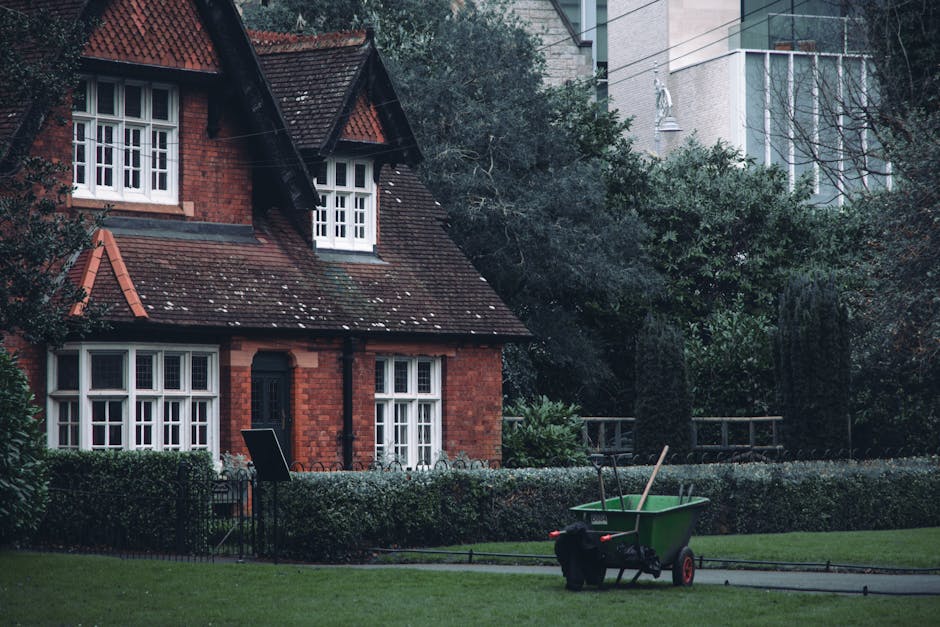
Top garden care services on Dartmouth Road Forest Hill
If you live or manage a property near Dartmouth Road in Forest Hill, you already know how quickly a garden can swing from tidy to untidy. One windy week, a lawn grows a little too fast, hedges start leaning into the path, and suddenly the whole place feels heavier than it should. That is where the Top garden care services on Dartmouth Road Forest Hill really earn their keep: not just by making things look better, but by keeping outdoor spaces workable, healthy, and easier to enjoy.
This guide breaks down the services people most often need, how they work, what to expect, and how to choose the right level of support for your garden. Whether you want regular maintenance or a one-off reset after a long neglected patch, you will find practical advice here without the fluff.
Expert summary: The best garden care is usually the kind that fits the garden's real condition, the seasons, and how much time you want to spend doing it yourself. Start with the basics, be honest about what needs attention, and build from there.
Contents
- Why Top garden care services on Dartmouth Road Forest Hill Matters
- How Top garden care services on Dartmouth Road Forest Hill Works
- Key Benefits and Practical Advantages
- Who This Is For and When It Makes Sense
- Step-by-Step Guidance
- Expert Tips for Better Results
- Common Mistakes to Avoid
- Tools, Resources and Recommendations
- Law, Compliance, Standards, or Best Practice
- Options, Methods, or Comparison Table
- Case Study or Real-World Example
- Practical Checklist
- Conclusion
- Frequently Asked Questions
Why Top garden care services on Dartmouth Road Forest Hill Matters
Dartmouth Road sits in a part of South East London where gardens often have to do a lot in a relatively small space. Some are compact front gardens that set the tone for the whole property. Others are narrow back gardens that need clever upkeep to stay useful. And many are a mix of both, with lawn, borders, hedges, paving, bins, fencing, and the odd corner that collects leaves no matter what you do. Sound familiar?
Good garden care matters because small problems build up fast. A skipped mow becomes an uneven lawn. A hedge left too long can block light and spill onto walkways. Fallen branches and cuttings can make a neat space feel messy in no time. In practice, regular upkeep also helps you spot issues earlier, whether that is poor drainage, thinning grass, invasive growth, or a tree that needs a professional eye.
There is also the day-to-day quality of life side of it. A tidy garden is more inviting, easier to use, and generally less stressful to live with. You notice the difference on a damp morning when the path is clear, or on a sunny evening when you can actually sit out for ten minutes without feeling you should be doing something else. That matters more than people admit.
If you are comparing broader outdoor improvements too, it can help to look at the bigger picture of the services overview and decide whether you need routine care, one-off clearance, or a longer-term landscaping plan.
How Top garden care services on Dartmouth Road Forest Hill Works
Most garden care services follow the same basic pattern, even if the exact tasks vary. First comes the assessment. A gardener or garden care team looks at the space, checks what is overgrown, what is healthy, what is damaged, and what should be prioritised. That initial look is important because a garden rarely needs everything at once. To be fair, most do not.
Then comes the plan. For example, a lawn that has become patchy and full of weeds may need mowing, edging, feeding, and possibly scarifying or reseeding. A hedge might need careful trimming rather than a heavy cut. A cluttered garden with brambles, dead stems, and old pots may need a clear-out before anything else can be improved.
On a practical level, the service may include some or all of the following:
- Lawn mowing and edging
- Hedge trimming and shaping
- Garden clearance and waste removal
- Weeding and border tidy-ups
- Pruning of shrubs and small trees
- Seasonal leaf clearance
- General garden maintenance visits
- More involved landscaping or reworking of tired spaces
The best results come when the service matches the garden's condition. A weekly maintenance visit suits an established garden that is already under control. A one-off clearance suits a space that has been left alone for a while. And if the layout itself is the issue, then landscaping may be the better long-term answer rather than simply tidying what is already there.
Many homeowners also ask for a sensible mix of services rather than one isolated task. That is often the right call. For example, it makes little sense to trim a hedge and ignore the debris underneath, or to mow a lawn and leave the edges shaggy. Little things. But they matter.
Key Benefits and Practical Advantages
The biggest benefit of professional garden care is consistency. A garden that is regularly maintained tends to stay healthier, look better for longer, and require fewer dramatic interventions later. That is especially useful on busy streets like Dartmouth Road where weather, foot traffic, and everyday life can chip away at outdoor spaces faster than you expect.
Here are the most useful advantages in plain English:
- Better appearance: Neat grass, clean edges, and controlled growth instantly improve kerb appeal.
- Healthier planting: Pruning, weeding, and appropriate seasonal care reduce stress on plants.
- Less catch-up work: Ongoing maintenance is usually easier than emergency tidying after months of neglect.
- Safer access: Clear paths and managed growth reduce trip hazards and awkward overhangs.
- More usable space: A garden only feels like a real asset if you can move around it comfortably.
- Better planning: Once the basics are under control, it becomes easier to improve layout, privacy, or planting structure.
There is a quieter benefit too: headspace. A garden that feels under control tends to reduce that nagging background sense of unfinished business. You know the feeling. You step outside, look at the mess, and think, "I really should sort that." A proper service takes that weight off your shoulders.
If privacy is part of the goal, it may also be worth thinking beyond trimming alone. Some gardens benefit from a layered approach using planting and structure, and this related guide on boosting garden privacy with tall potted plants offers a simple idea that works well in tighter London spaces.
Who This Is For and When It Makes Sense
Garden care services are not just for people with huge gardens or major overgrowth. In fact, the opposite is often true. Smaller gardens can become visually messy very quickly, because there is nowhere for untidiness to hide. A few weeds, a lanky hedge, and one patch of tired lawn can change the whole feel of the place.
You may benefit from garden care if:
- You do not have the time to keep up with regular maintenance
- You have moved into a property where the garden needs a reset
- You are preparing to sell or let a home and want it to present well
- You manage a rental, shared property, or second home
- Your garden has become uneven, cluttered, or difficult to use
- You need seasonal work such as leaf clearance, pruning, or hedge cutting
- You want the garden to stay tidy without spending every weekend on it
There is also a timing question. When should you act? Ideally, before the garden becomes overwhelming. If you leave it too long, the work often takes more effort, more waste removal, and more time to put right. Early action usually gives you more options, which is always nice.
For landlords and property managers, the value is even clearer. Outdoor areas are part of the impression people get the moment they arrive. A neglected front garden or overgrown rear space can undermine the property before anyone has even opened the door.
Step-by-Step Guidance
If you are approaching garden care for the first time, it helps to think in stages. That keeps the job manageable and stops the whole thing turning into a vague "we should do the garden" conversation that never quite goes anywhere.
1. Walk the garden with fresh eyes
Look at the space in daylight and note what feels off. Is the lawn too long? Are hedges blocking light? Are weeds overtaking borders? Is there a pile of cuttings or broken items that need clearing first? Make a short list. Nothing fancy.
2. Separate routine work from one-off work
Some jobs need repeating every few weeks, such as mowing or light trimming. Others are one-off, like a garden clearance after months of build-up. If you mix the two in your head, the job feels bigger than it is.
3. Decide whether you need maintenance, clearance, or improvement
This is the key decision. Maintenance keeps things tidy. Clearance resets the space. Improvement changes the layout or long-term usefulness of the garden. If the garden is already basically sound, maintenance may be enough. If it is full of debris, you may need a clear-out before anything else.
4. Prioritise safety and access first
Before pruning or planting, make sure paths, steps, and working areas are safe and clear. Overhanging branches, slippery moss, or loose debris can be a nuisance and, frankly, a proper faff.
5. Tackle the biggest visibility issues first
Edges, hedges, lawns, and front-facing areas usually give the quickest visual return. Sorting those first often makes the whole garden feel better straight away, even if the borders still need more work.
6. Finish with waste removal and a final sweep
Cuttings, leaves, and trimmings can undo all the good work if left behind. A proper finish is part of the service, not an extra luxury. You want the garden to look cared for, not half-done at dusk.
Quick rule of thumb: if you cannot describe the task in one sentence, it probably needs breaking into smaller steps first.
Expert Tips for Better Results
One of the most useful things you can do is match the service to the season. In spring and summer, growth is often faster, so mowing, edging, and hedge control matter more. In autumn, leaf clearance becomes the priority. In winter, you may focus more on pruning, structure, and preparing the garden so it starts the year in decent shape.
Another practical tip: do not trim everything to the same level. Gardens look better when they have shape and rhythm. A hedge that is neatly tapered, a lawn with clean edges, and borders that have a little texture all feel more natural than an overworked, over-flat result. Nature likes a little wiggle room. So do most gardens.
It also helps to think ahead about waste. If a job is likely to produce a lot of green waste, ask how that will be handled. Garden care should leave you with a cleaner space, not a growing mound by the fence.
Here are a few more tips that genuinely help:
- Book regular visits before growth gets out of hand
- Ask for photos or a clear explanation of the work plan if you are not on site
- Make sure access gates, side passages, and bins are accounted for
- Keep an eye on drainage after heavy rain if your garden tends to puddle
- Combine jobs where sensible, such as hedge trimming and border tidying
- Be realistic about what can be achieved in one visit
And a small but important one: be clear about priorities. If you want the lawn saved but do not care about the back corner yet, say so. A good service should work with your actual needs, not a generic checklist.
Common Mistakes to Avoid
A lot of garden problems come from good intentions that were just a little off. The most common mistake is waiting until everything feels urgent. By then, small maintenance becomes larger-scale clearance, and the job may need more time than expected.
Another mistake is overcutting. It is tempting to go hard on a hedge or lawn to "get it done," but cutting too much too quickly can damage plant health and leave the garden looking stark. Better to take a measured approach. It is less dramatic, but much safer.
People also forget about the seasonal rhythm of gardens. Cutting back at the wrong time, or leaving leaf build-up too long, can create avoidable problems. For example, a thick layer of damp leaves can smother grass and make paths slippery. Easy to ignore for a week. Harder to ignore after three.
Other pitfalls include:
- Assuming one-off work will solve an ongoing maintenance problem
- Ignoring waste removal until the end of the job
- Choosing the cheapest option without checking what is actually included
- Forgetting that access, parking, and working space can affect how the job is done
- Mixing decorative plans with maintenance tasks before the basics are under control
The main lesson? Start with what the garden truly needs, not what sounds quickest. Gardens are honest. They tend to show up bad planning sooner or later.
Tools, Resources and Recommendations
If you are trying to keep on top of a garden between service visits, a few simple tools make life easier. You do not need a shed full of gadgets. In most cases, the basics are enough.
- Hand shears or secateurs: useful for small trimming jobs and deadheading
- Lightweight rake: helpful for leaves and loose debris
- Spade or border fork: good for edging and small clean-ups
- Reliable mower: ideal if you want to keep the lawn tidy between visits
- Garden bags or containers: useful for collecting cuttings before removal
- Gloves and sturdy footwear: simple, but worth having
For larger tasks, it is often smarter to leave the heavy lifting to a professional service. That includes deep clearance, big hedge reductions, awkward tree work, or anything involving unstable ground, access issues, or debris near fences and structures. There is no medal for wrestling a stubborn bramble patch on a wet afternoon. Honestly, not worth it.
If you are comparing service levels or want to understand what a full visit might include, the garden maintenance page is a useful starting point. For larger jobs, garden clearance and hedge trimming are often the most relevant follow-on services. A lawn that needs proper attention may be better served by lawn mowing, while a more ambitious overhaul may move into landscaping or landscape gardening.
Law, Compliance, Standards, or Best Practice
For most domestic garden care jobs, the main compliance concerns are practical rather than complicated. The work should be carried out safely, waste should be managed responsibly, and any pruning, cutting, or removal should respect the property layout and nearby boundaries. If the space includes trees, larger hedges, shared access, or adjoining neighbours, care and communication matter even more.
It is also sensible to ask how waste is handled. Green waste, timber, soil, and mixed garden debris should not just be dumped casually. Reputable providers will usually have a clear approach to disposal and recycling, and that is one area where asking a straightforward question pays off.
Safety is another key point. Garden work often involves sharp tools, uneven surfaces, ladders, power equipment, and lifting. Good practice means using the right equipment, working carefully around obstacles, and not pushing a job beyond what is sensible in the conditions. Damp grass, hidden debris, and tight side access can all change the risk profile quite a bit.
If you are comparing providers, it is reasonable to ask about insurance, safety procedures, and how they handle the unexpected. The health and safety policy and insurance and safety information can help set expectations, especially for more involved work. For broader business terms, you may also want to review terms and conditions and pricing and quotes so you know what is included before work begins.
Options, Methods, or Comparison Table
Different gardens need different approaches. Sometimes the best choice is a light maintenance visit. Sometimes it is a reset. And sometimes the space needs a bigger rethink altogether. Here is a simple comparison that may help.
| Option | Best for | Typical focus | What to watch for |
|---|---|---|---|
| Regular garden maintenance | Gardens that are already manageable | Mowing, edging, trimming, weeding, tidy-ups | Needs consistency to stay effective |
| One-off clearance | Overgrown or neglected spaces | Brambles, debris, heavy cut-back, waste removal | Can reveal deeper issues once cleared |
| Hedge and shrub pruning | Gardens where growth is blocking light or paths | Shaping, reduction, controlled cutting | Avoid overcutting or poor timing |
| Lawn-focused care | Lawns that need to look neat and healthy | Mowing, edging, basic restoration | Patchy lawns may need more than a simple cut |
| Landscaping or redesign | Gardens with layout or usability problems | Structural changes, new features, improved flow | More planning needed upfront |
If you are unsure where your garden fits, start with the least dramatic option that still solves the real problem. You can always build from there. That is usually the calmer, smarter route.
Case Study or Real-World Example
Imagine a typical Dartmouth Road garden: a narrow back space with a lawn that has gone patchy, a hedge pushing into the side return, and a few borders that have become a mix of weeds, seed heads, and last year's leaves. Not unusual at all.
The homeowner does not need a full redesign. What they really need is a reset. In that kind of job, the most effective approach is often:
- Clear the visible debris first
- Trim back the hedge enough to restore light and access
- Mow and edge the lawn so the space looks intentional again
- Remove weeds and untidy growth from the borders
- Check whether any bare patches need follow-up attention
- Leave the garden clean, open, and easier to maintain next time
What tends to surprise people is how much better the garden feels after the first round of work. Not because it is perfect. It usually is not. But because the space becomes readable again. You can see what is there, what needs doing next, and what can wait. That clarity matters more than most people expect.
In a similar scenario, a landlord might choose the same reset before a tenancy handover, while a homeowner may follow it with a regular maintenance plan. Same basic logic, different end goal. Simple enough, really.
Practical Checklist
Use this checklist before booking or doing any garden care work:
- Confirm whether the job is maintenance, clearance, or improvement
- Walk the garden and note the biggest problem areas
- Check access routes, gates, and parking practicalities
- Identify any awkward features such as steep steps, narrow passages, or fragile surfaces
- Decide what should happen to green waste and debris
- Ask whether hedge cutting, lawn care, pruning, and clearance can be combined
- Make sure the work schedule suits the season and the garden's growth rate
- Clarify any insurance or safety questions before work starts
- Agree what a finished result should actually look like
- Set a follow-up plan if the garden needs ongoing care
Quick tip: if you are hesitating between two levels of service, choose the one that addresses the root problem, not just the obvious mess.
Conclusion
The top garden care services on Dartmouth Road Forest Hill are the ones that make your outdoor space easier to live with, not just nicer to glance at. That means matching the work to the garden's condition, the season, and the way you actually use the space. A proper lawn cut, hedge trim, clear-out, or maintenance visit can change the feel of a property more than people realise.
Truth be told, most gardens do not need a miracle. They need steady attention, sensible priorities, and a bit of local know-how. If you get those three things right, the rest usually falls into place. And once the garden feels under control again, everything else about the home seems a little lighter too.
Get a free quote today and see how much you can save.
Frequently Asked Questions
What do the top garden care services on Dartmouth Road Forest Hill usually include?
They usually include lawn mowing, hedge trimming, weeding, border tidying, garden clearance, pruning, and seasonal maintenance. Some gardens may also need landscaping or more structured improvement work.
How often should a garden on Dartmouth Road be maintained?
It depends on the garden's size, planting, and how quickly it grows. Many properties benefit from regular visits during the growing season, with lighter attention in colder months. Fast-growing hedges and lawns may need more frequent care.
Is a one-off garden clearance enough for an overgrown garden?
Sometimes, yes, especially if the main issue is build-up rather than design. But if the garden keeps growing back into disorder quickly, a regular maintenance plan is usually more effective.
What is the difference between garden maintenance and landscaping?
Garden maintenance keeps an existing garden tidy and healthy. Landscaping changes the layout, structure, or long-term function of the space. If the garden works but looks messy, maintenance may be enough. If it does not work well at all, landscaping may be better.
Can garden care improve kerb appeal for a property?
Absolutely. A neat lawn, trimmed hedge, and clean front area can make a big difference to first impressions. That matters for homeowners, landlords, and anyone preparing to sell or let a property.
Do I need to be home when the garden work is done?
Not always, but it helps to agree access details, priorities, and any special instructions beforehand. If you are not at home, clear communication becomes even more important.
What should I ask before booking garden care services?
Ask what is included, how waste will be removed, whether hedge cutting or pruning is part of the visit, and how pricing is structured. It is also sensible to ask about safety and insurance for larger jobs.
Are hedge trimming and lawn mowing usually done together?
They often are, and combining them can be more efficient. If both areas need attention, it often makes sense to address them in the same visit so the whole garden feels balanced.
What if my garden has a lot of leaves, branches, and mixed debris?
That usually points to garden clearance rather than simple maintenance. A clearance visit deals with the mess first, which makes later mowing, pruning, or planting work much easier.
How do I know if my garden needs professional help?
If the work feels too large, too awkward, or too time-consuming to manage properly on your own, it probably does. If you keep putting it off because the job feels endless, that is usually a sign as well. We have all been there.
Is there a best time of year to book garden care?
Spring and early summer are popular for general tidying and growth control, while autumn is often important for leaf clearance and keeping the garden manageable. That said, garden care is useful all year round depending on conditions.
What if my garden is small but messy?
Small gardens still benefit from professional care, sometimes even more so. Because space is limited, clutter and overgrowth show up quickly. A small tidy-up can have a surprisingly big impact.
If you want a garden that feels looked after rather than constantly on the edge of becoming a weekend project, the right service makes all the difference. Start with what matters most, keep it practical, and the garden will usually reward you for it.